
YouTube · AI & Your Job
AI & Your Job
No hype. No doom.
What AI really means for your work, your career, and your future.
We break down what artificial intelligence means for your work and career — with sources, not slogans.
Free briefing
Get the weekly AI & work briefing
Short, sourced notes on what AI means for your job — no hype, no doom. Confirm by email (double opt-in).
We use Brevo with double opt-in. Unsubscribe anytime. Privacy
Latest video
Read the article →Get Paid to Train AI? Real Pay, Risks & Red Flags (2026)
"Get paid to train AI": Mercor says its experts average $110 an hour, and recruiters advertise up to $400. But what do AI training jobs really pay? One tracker counted 2,592 open roles on 23 platforms on 25 October. The median listed rate was $60 an hour, and language work, the biggest group, lists a median of $21.50. In this video: what the work actually is, the pay by platform and by field, why hours matter more than the rate, who wins and who loses, the risks nobody puts in the ads (erratic hours, cut hours, a data breach and lawsuits), why a Nobel economist called one popular claim "B.S.", and a six-point checklist to judge any platform.
Open articleFrom the news desk
All news →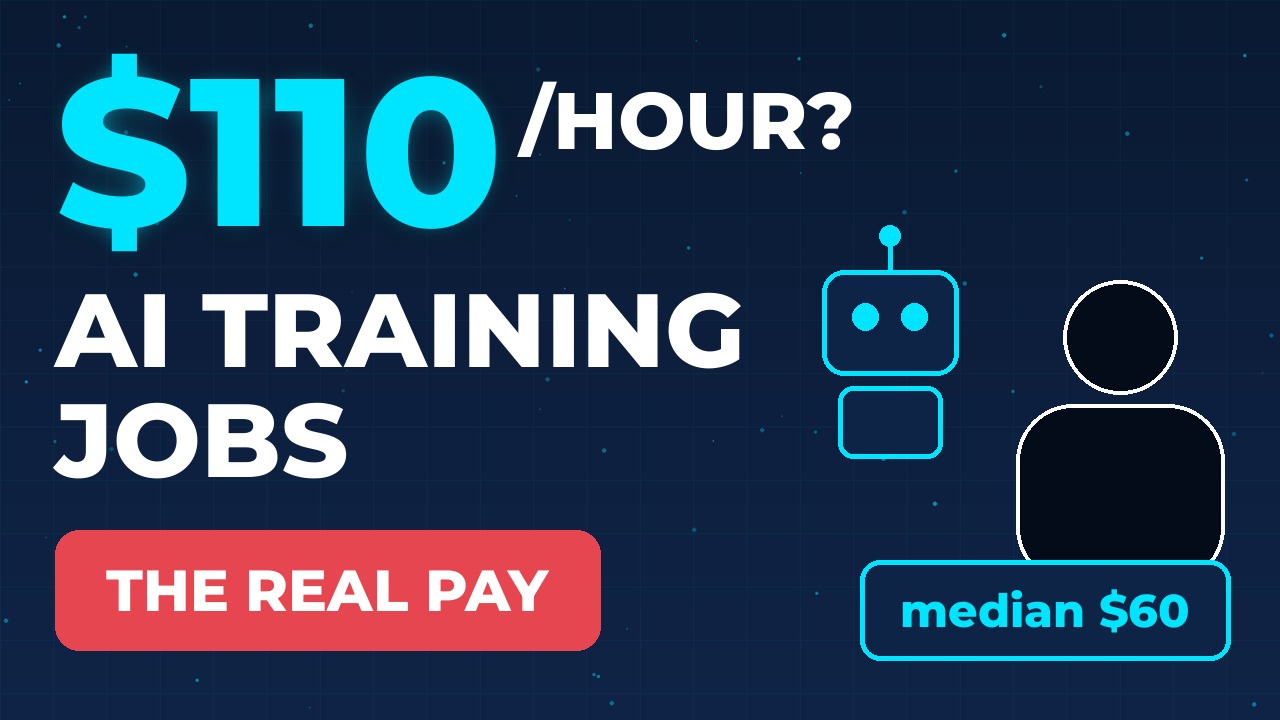 9:26
Get Paid to Train AI? Real Pay, Risks & Red Flags (2026)
"Get paid to train AI": Mercor says its experts average $110 an hour, and recruiters advertise up to $400. But what do AI training jobs really pay? One tracker counted 2,592 open roles on 23 platforms on 25 October. The median listed rate was $60 an hour, and language work, the biggest group, lists a median of $21.50. In this video: what the work actually is, the pay by platform and by field, why hours matter more than the rate, who wins and who loses, the risks nobody puts in the ads (erratic hours, cut hours, a data breach and lawsuits), why a Nobel economist called one popular claim "B.S.", and a six-point checklist to judge any platform.
 7:34
Your New AI Coworker: What Claude Duet Means for Your Job
This week, Anthropic launched Claude Duet and Google launched Docs Live: AI that works next to you, not a chatbot you have to ask. Tech channels review the features. This video is about what an AI coworker actually means for your job: which tasks shift, what it still gets wrong, and the four skills that make you the person who manages it.
 8:35
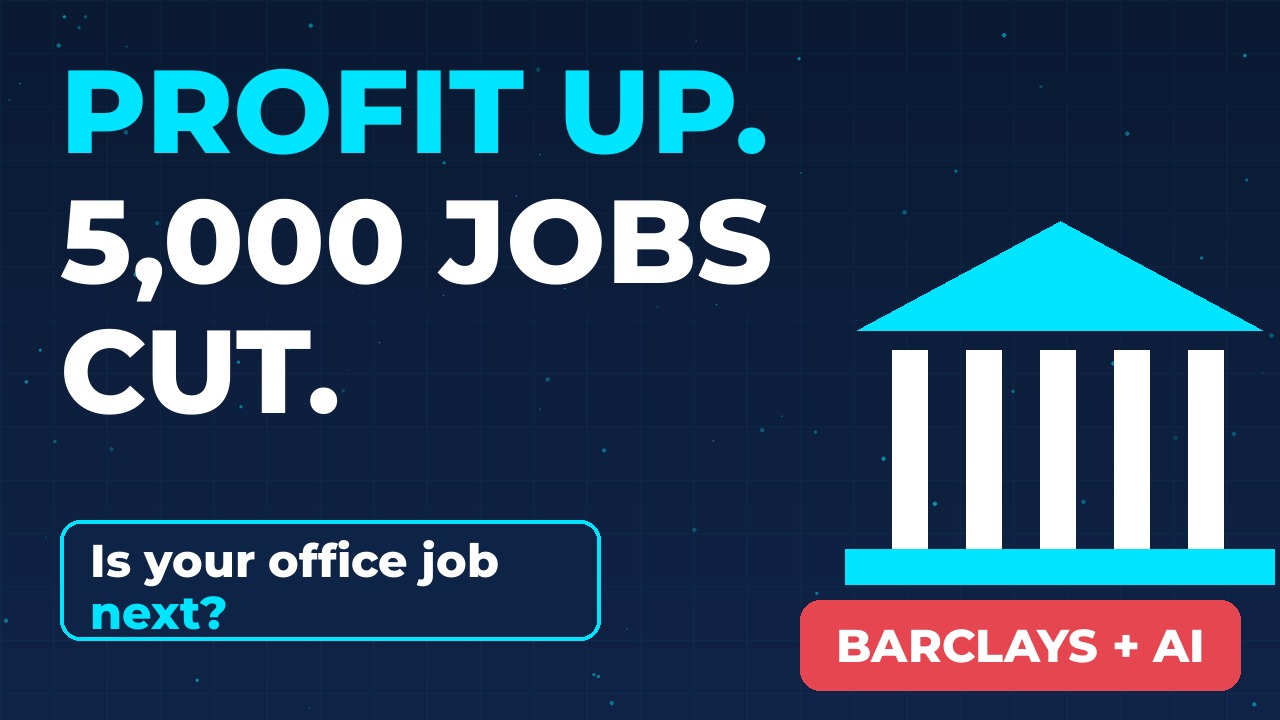
AI Layoffs 2026: What Barclays’ Job Cuts Mean for Office Work
Barclays is cutting around 5,000 jobs, and on the same day it reported a 12% rise in quarterly pre-tax profit. The bank says AI is part of the reason, but not the whole story. In this video: what Barclays actually announced, who else is cutting jobs and citing AI (Kroger, FICO, DNB, HSBC, Standard Chartered), how much of this is really about AI, why "support functions" are most exposed, and a simple 3-question test for your own job.
Guides & how-tos
All guides → 9:18
Will AI Replace My Job? What the 2026 Data Actually Says
Will AI replace your job? Probably not the way the headlines say. In this video we go through the latest research from BCG, the World Economic Forum, McKinsey, Stanford, and Anthropic. You'll learn what AI is actually doing to jobs in 2026, which tasks are at risk, who is really getting hit (hint: entry-level hiring), and what you can do about it starting this week. No hype. No doom. Just what AI really means for your work.
 8:48
Why AI Is Making First Jobs Harder (2026 Research)
Is AI making it harder to get your first job? New research from the Banque de France, the US Census Bureau, Stanford, and a 41-country study by King's College London says: it's not mass layoffs, it's fewer young people being hired. In Part 2 of our series we look at the data, the fair counterpoint (remote work), what it means for graduates and parents, and 5 practical ways to still get in.
 8:53
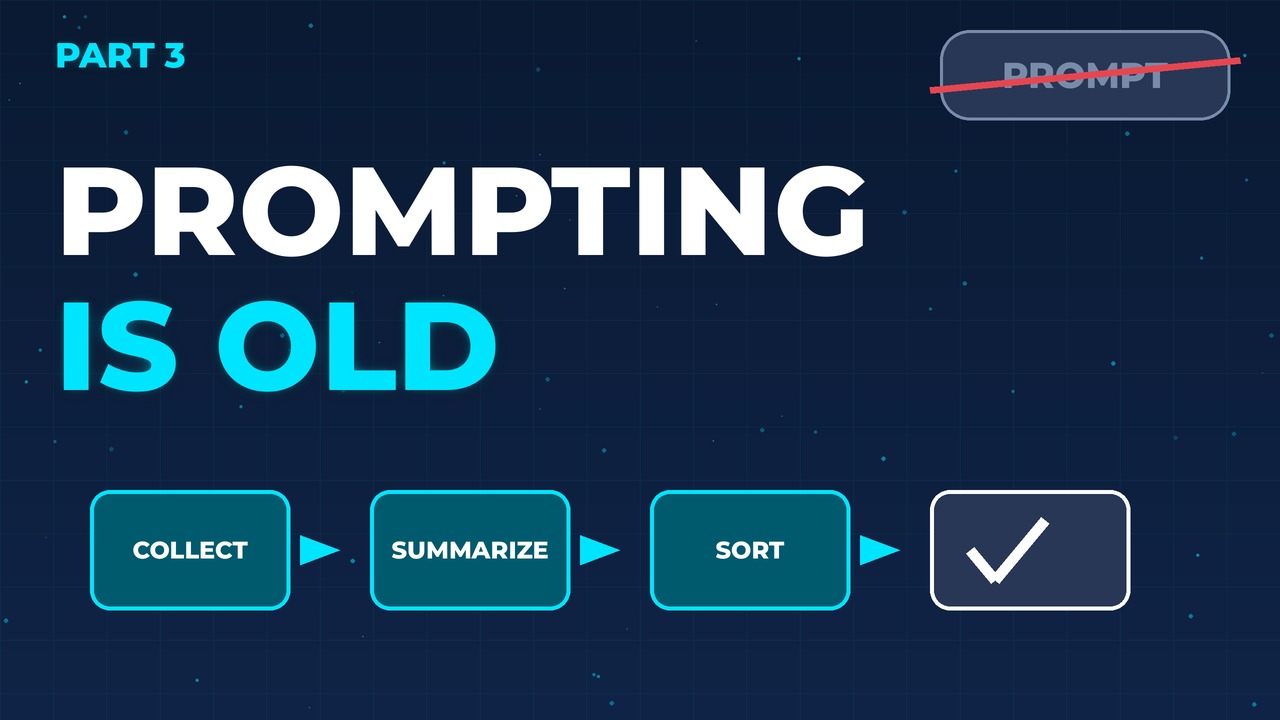
The AI Skills Employers Want Now (Beyond Prompting)
Is "learn to prompt" still the AI skill to have? New hiring data says companies are already moving on. Workday's October 2026 Global Workforce Report found demand for basic AI skills like simple prompting peaked in January 2026 and then fell 25%, while hands-on skills like automating workflows rose 51%. In Part 3 of our series, we explain what that means for normal office workers, show a no-code example of automating a weekly report, and give you 5 steps to start this week.