Why AI Is Making First Jobs Harder (2026 Research)
Watch on YouTube: https://youtu.be/elsTMmT5CD4
Key takeaways
- The quiet change: not fired, not hired
- What the data shows (France, US Census, Stanford)
- The global picture and the remote-work counterpoint
- Why it matters: the career ladder
- How to still get in: 5 practical moves
Chapters
- 00:00 Will AI make it harder to get your first job?
- 00:32 The quiet change: not fired, not hired
- 01:45 What the data shows (France, US Census, Stanford)
- 03:24 The global picture and the remote-work counterpoint
- 04:58 Why it matters: the career ladder
- 06:25 How to still get in: 5 practical moves
- 07:58 The takeaway
FAQ
Is AI making it harder to get a first job?
Several 2026 studies point that way for AI-exposed roles. Banque de France found permanent hires aged 21–29 in the most AI-exposed jobs about 28% below November 2022 levels, versus about 8% in the least exposed. US Census and Stanford work show similar pressure on young workers via fewer hires.
Are companies firing juniors because of AI?
The clearer pattern in the research is fewer openings and a smaller share of beginners—not mass firing of juniors. A 41-country job-ads study found senior employment rose when firms adopted generative AI, while the junior change was smaller and not statistically significant.
Is remote work part of the junior hiring drop?
Yes. LSE economists looking at the US, UK, Canada and Australia found working from home explains junior hiring declines better than AI alone; when both are included, the AI effect often shrinks toward zero. Banque de France also notes AI, remote work and higher rates hit the same jobs together.
How can graduates still break in?
Build proof of work (projects, portfolios), get experience before graduating, learn to check AI output, prefer roles with on-site mentoring when possible, and aim at jobs where human judgment or physical presence is central.
Sources
- Banque de France, "Generative AI: the first changes in the labour market are affecting young people" (8 Oct 2026)
- US Census Bureau, Tucker: "You're (not) hired" CES-WP-26-27 (April 2026)
- Brynjolfsson, Chandar & Chen, Stanford Digital Economy Lab: "Canaries in the Coal Mine?" (Aug 2026)
- King's College London & Stanford: "How Does AI Change Labor Demand? Evidence from 41 Countries" (6 Oct 2026)
- Lambert & Schindler, LSE CEP DP2193: "The broken ladder: AI, remote work, and early-career hiring" (2026)
- Note: Sarah, Mark, and the team example are illustrative, not real people or data.
Want more like this?
Calm, sourced videos on AI and work — no doom scroll.
Related videos
 9:18
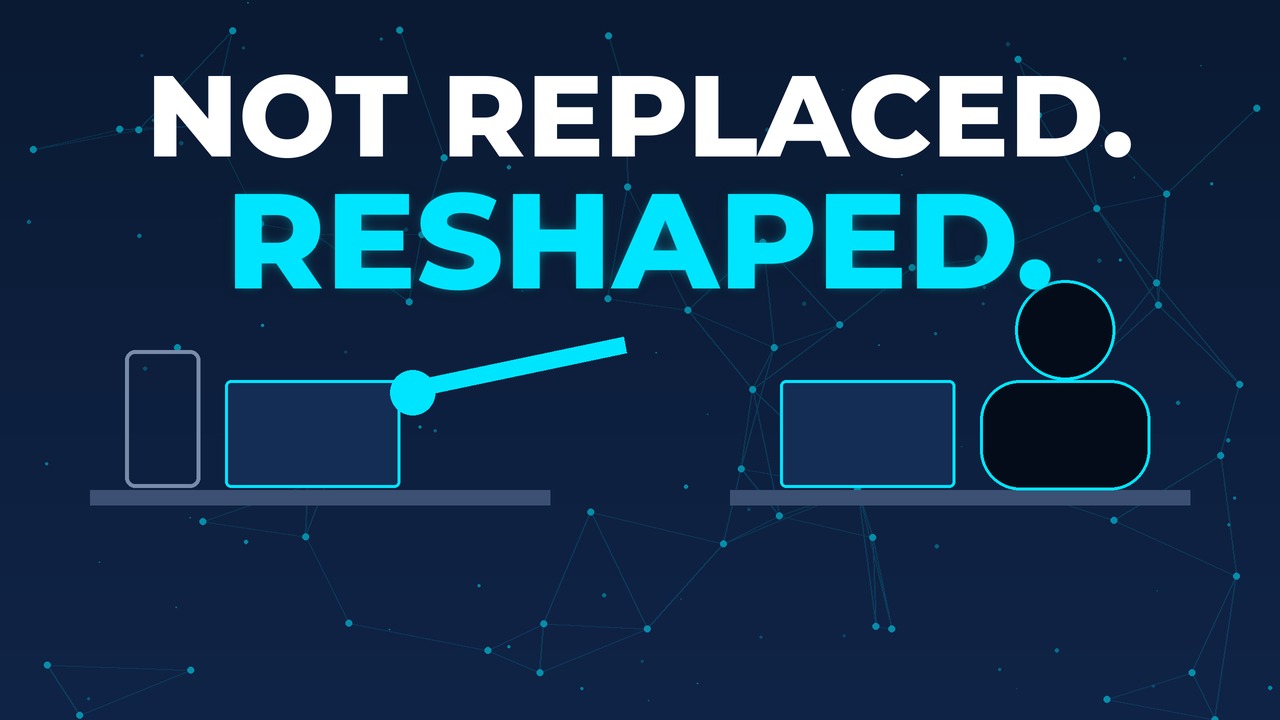
Will AI Replace My Job? What the 2026 Data Actually Says
Will AI replace your job? Probably not the way the headlines say. In this video we go through the latest research from BCG, the World Economic Forum, McKinsey, Stanford, and Anthropic. You'll learn what AI is actually doing to jobs in 2026, which tasks are at risk, who is really getting hit (hint: entry-level hiring), and what you can do about it starting this week. No hype. No doom. Just what AI really means for your work.
 8:53
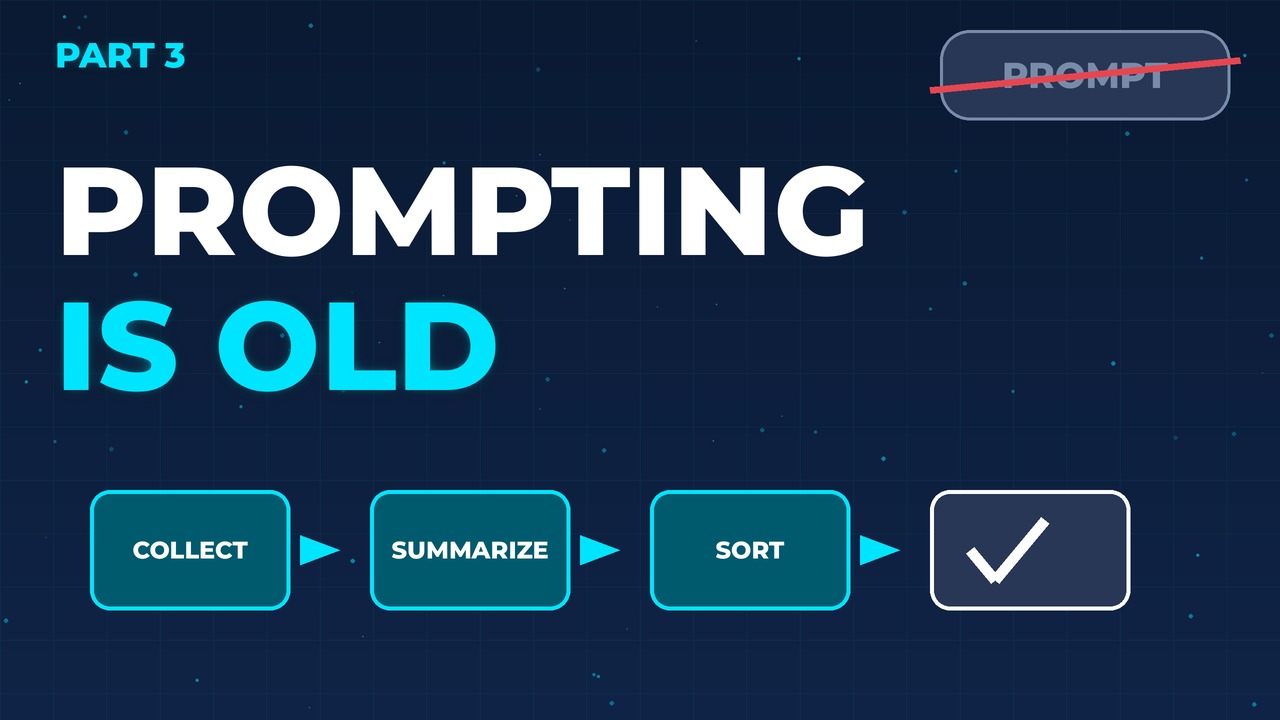
The AI Skills Employers Want Now (Beyond Prompting)
Is "learn to prompt" still the AI skill to have? New hiring data says companies are already moving on. Workday's October 2026 Global Workforce Report found demand for basic AI skills like simple prompting peaked in January 2026 and then fell 25%, while hands-on skills like automating workflows rose 51%. In Part 3 of our series, we explain what that means for normal office workers, show a no-code example of automating a weekly report, and give you 5 steps to start this week.
 8:48
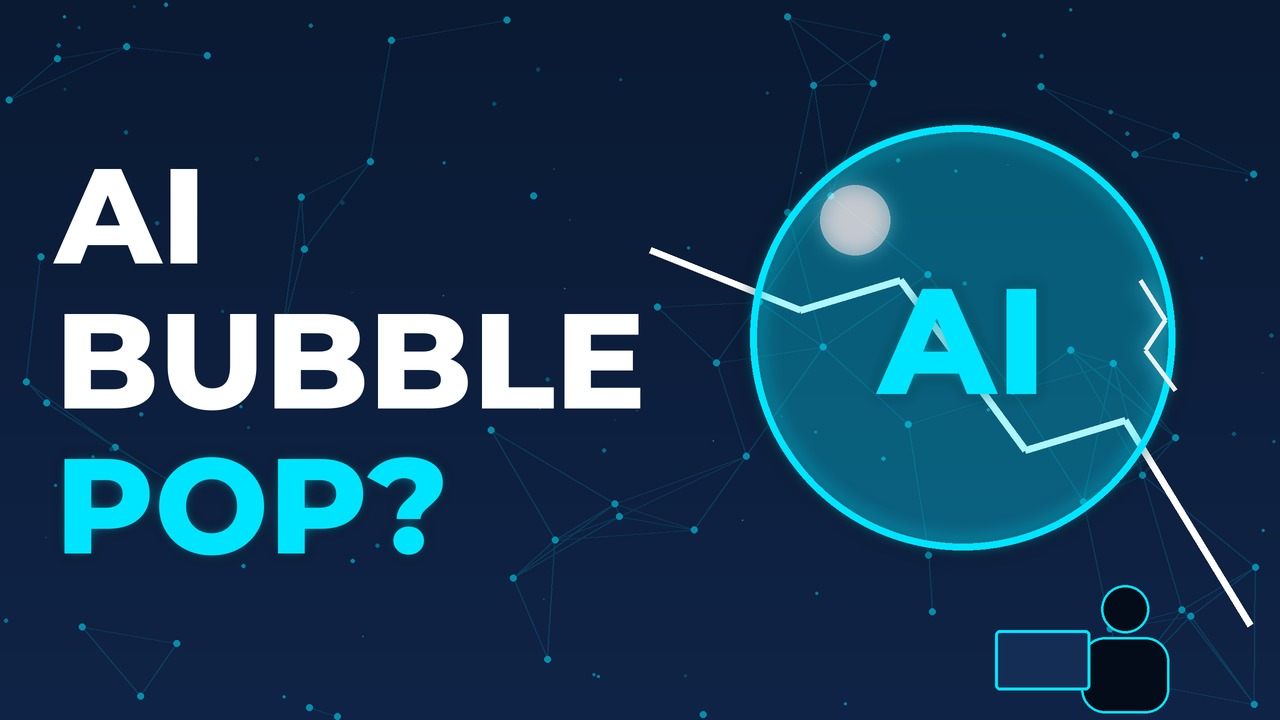
Is the AI Bubble About to Pop in 2026?
Is the AI bubble about to pop? In mid-October 2026, more than $1 trillion was wiped from the 20 most valuable AI and chip stocks in a single week, CoreWeave's bonds hit distressed levels, and the IMF named an AI correction as a key risk to global financial stability. In this video we explain in plain words what a bubble is, give the honest case on both sides, and answer the question that matters for most people: if it pops, what happens to your job?